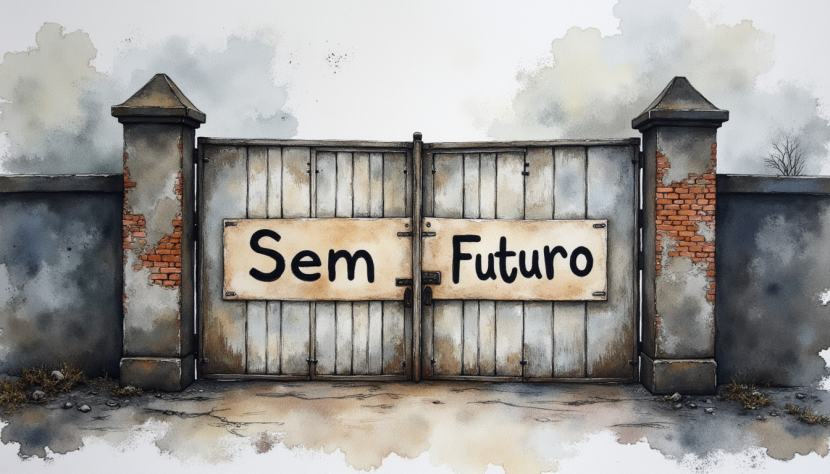
Brazil’s Steel Crisis
Braziliam president (Lula) is destroying the country with his government polices (he has no governing plan at all, for economy and other areas)
Brazil’s Steel Industry Crisis: A Wake-Up Call
In recent weeks, Brazil has faced troubling news: Gerdau, the largest steel producer in Latin America, announced factory closures, suspended billions in investments, and laid off more than 1,500 workers. For a country that once prided itself on its industrial strength, this is more than just a corporate setback—it’s a warning sign of deeper problems.
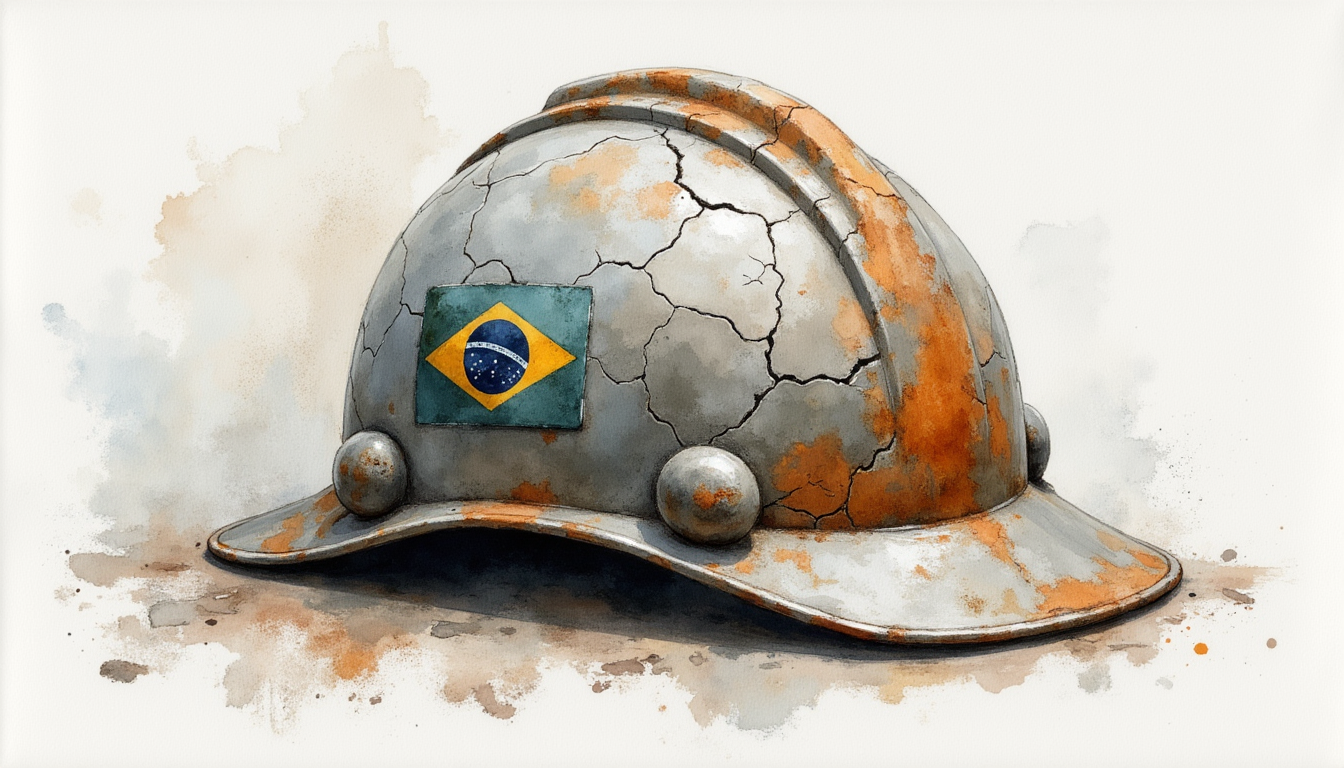
The Roots of the Crisis
Many point to global competition as a factor, but the real issue lies at home. While other nations have taken steps to protect their industries, Brazil has failed to develop a clear strategy. President Luiz Inácio Lula da Silva and his government have not offered strong policies to safeguard national production, leaving companies vulnerable and communities exposed.
Instead of investing in innovation, infrastructure, and protective measures, Brazil has allowed its industrial base to weaken. The result is deindustrialization—factories closing, jobs disappearing, and cities that once thrived now struggling to survive.
The Human Cost
Behind the numbers are real people. Thousands of families who depended on steel production for their livelihood now face uncertainty. Entire communities are losing not just income, but also hope for the future. The layoffs at Gerdau are not isolated—they represent a broader decline that could affect many sectors if nothing changes.
Lessons From Abroad
Other countries have shown that strong leadership can make a difference. The United States, for example, has implemented tariffs and industrial policies to protect its steel industry. Brazil, however, has remained passive. Without decisive action from President Lula’s administration, the nation risks losing its competitive edge and condemning future generations to economic fragility.

A Call for Responsibility
This crisis should serve as a wake-up call. Brazil cannot continue to rely on short-term fixes or political speeches. What is needed is a serious industrial plan—one that invests in technology, supports workers, and ensures that Brazil remains a country capable of producing, not just consuming.
President Lula must take responsibility. His government has the power to act, but so far, it has failed to provide solutions. If Brazil wants to avoid deeper deindustrialization, leadership must rise to the challenge.
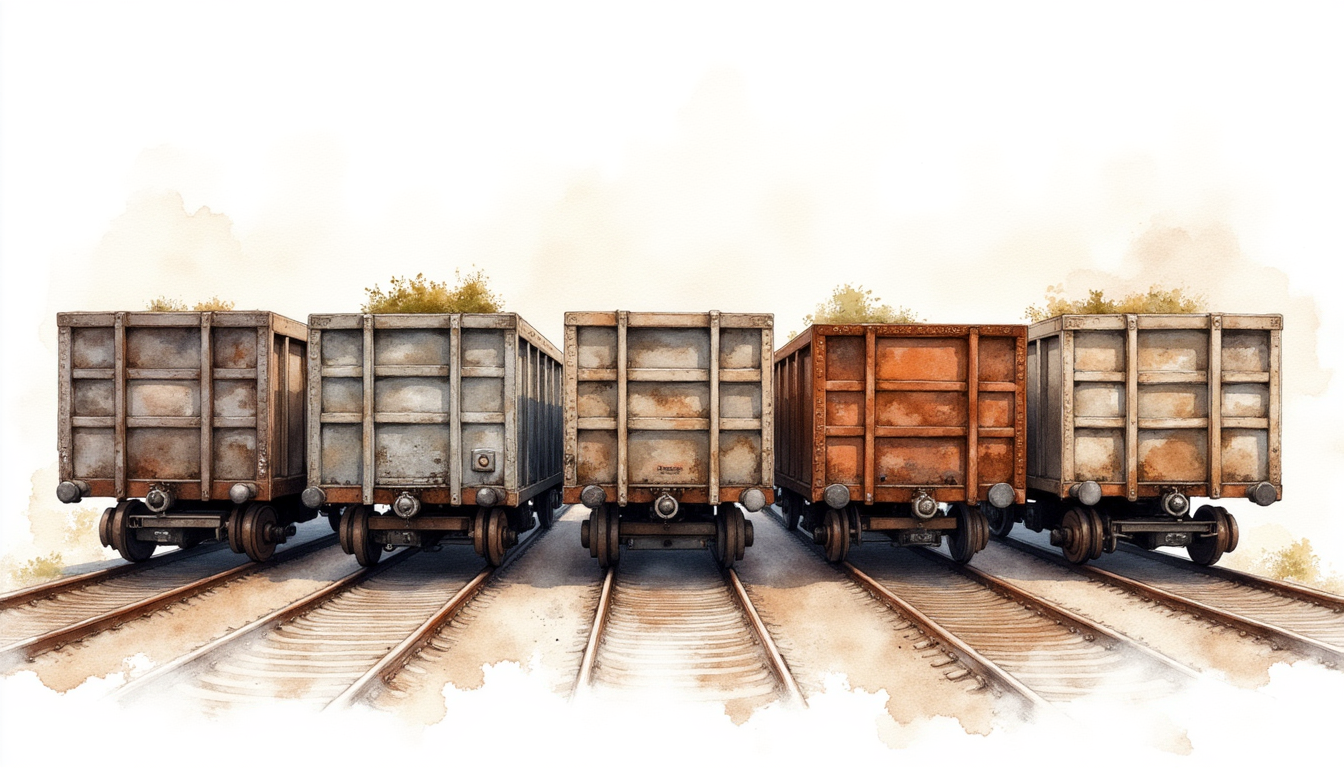
✍️ Final Thought: Brazil’s steel crisis is not about blaming other nations—it is about recognizing our own shortcomings. The future of Brazilian industry depends on whether our leaders choose to protect and strengthen it, or allow it to fade away.
Credits to Josue Aragao

Article by Marcelo Gameiro
Published 08 Dec 2025