Why Fasting
Yes, I Skipped a Whole Day of Eating. Here's the Science Behind Why.
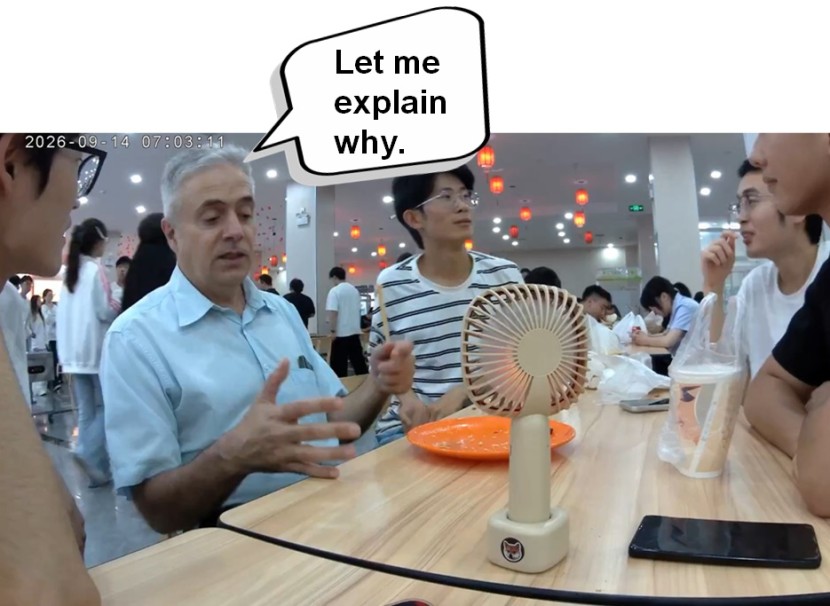
One of my students looked genuinely shocked today when I mentioned I hadn't eaten since yesterday. You'd have thought I told them I'd given up breathing.

So let me explain, once and for all, why the "skip a day once a week and, eat once a day on the other days" thing isn't me being extreme or punishing myself. It's a health strategy I've practiced for about four years now — and honestly, the science behind it is way cooler than the reaction it gets.
Here are the five reasons I do it, in plain language.

1. Autophagy: my cells take out their own trash 🧹
This one is my favorite. Autophagy literally means "self-eating" — but not the scary kind. When your body goes a stretch without food, it starts recycling its own damaged parts: old proteins, worn-out cell components, junk that piles up over time.
Think of it as your cells finally getting around to a deep-clean they never have time for while you're constantly snacking. The New England Journal of Medicine review by de Cabo & Mattson describes this as the "metabolic switch" — when the body runs out of quick glucose fuel and starts running on ketones, it flips into repair mode. Autophagy is a big part of that repair crew.
2. Brain health: a sharper, calmer head 🧠
Fasting doesn't just feed your body differently — it changes your brain's chemistry. During fasting, the body produces more BDNF (brain-derived neurotrophic factor),a protein that supports the growth and survival of neurons. A 2021 review in Frontiers in Neuroendocrinology calls BDNF a key target for optimizing brain health through fasting.
The practical version? Many people (me included) report clearer focus and less mental fog on fasting days. One review on fasting and cognition notes that the metabolic switch also lowers activity in a pathway called mTOR, which is linked to autophagy — a double win for brain upkeep.
3. Less inflammation: turning down the noise 🔥
Chronic, low-grade inflammation is the quiet troublemaker behind a lot of modern disease — heart issues, metabolic problems, even mood. The Mayo Clinic notes that intermittent fasting may improve chronic inflammation markers, along with blood sugar, cholesterol, and blood pressure.
Put simply: every time you eat, there's a small inflammatory ripple. Fasting gives your system regular quiet windows — and your body seems to appreciate the downtime.
4. Longevity: the repair-over-growth switch ⏳
When food is abundant, your body invests in growth. When food is scarce, it invests in repair and survival — and that repair mode is associated with longer, healthier lifespan in study after study. The famous 2019 NEJM review puts it directly: fasting can boost stress resistance and longevity.
I'll be honest here, because honesty matters: the long-term human data on lifespan is still limited. The NIH's National Institute on Aging says the evidence is promising but that more research is needed on humans practicing it for years. So think of longevity as a well-supported direction, not a guarantee.
5. Insulin regulation: giving the key a rest 🔑
Insulin is your body's "store sugar" hormone. When you eat all day, insulin stays elevated all day — and cells gradually stop listening (that's insulin resistance). Fasting lowers insulin and lets your cells reset their sensitivity.
This is one of the most consistent findings in the research. A 2025 network meta-analysis in The BMJ (99 randomized trials, ~6,600 people) found fasting diets improved fasting insulin and glucose, and were broadly comparable to traditional calorie restriction for cardiometabolic health. Time-restricted eating specifically has been shown to improve metabolic markers in people with metabolic syndrome.
How I actually do it
I don't follow a rigid rulebook. Most days I eat one meal — a simple, consistent form of intermittent fasting. And once a week, I skip eating entirely for a full day (or close to it),then break the fast the next evening. It's become so normal for me that the surprise on my students' faces is honestly the most entertaining part.
The key is: this isn't about starving. It's about giving my body regular windows of rest so the repair systems described above can actually do their job.
The fine print (please read this)
Fasting isn't for everyone, and I'd be a bad teacher if I pretended otherwise. Skipping meals isn't appropriate during pregnancy, for children and teens, for anyone with a history of eating disorders, or for people on insulin or blood-sugar medication without medical supervision. Mayo Clinic is clear that the long-term risks and benefits are still not fully known. Pay attention to nutrient quality — fasting isn't a license to eat poorly. When in doubt, talk to a doctor.
References
- de Cabo R, Mattson MP. Effects of Intermittent Fasting on Health, Aging, and Disease. New England Journal of Medicine, 2019. Link
- The Effects of Intermittent Fasting on Brain and Cognitive Function. PMC, 2021. Link
- Seidler K, Barrow M. Intermittent fasting and cognitive performance — targeting BDNF. Frontiers in Neuroendocrinology, 2022. Link
- The Beneficial and Adverse Effects of Autophagic Response to Caloric Restriction and Fasting. PMC, 2023. Link
- Mayo Clinic. Intermittent fasting: What are the benefits?Link
- Harvard T.H. Chan School of Public Health. The health benefits of intermittent fasting.Link
- National Institute on Aging (NIH). Research on intermittent fasting shows health benefits.Link
- Semnani-Azad Z, et al. Intermittent fasting strategies and their effects on body weight and cardiometabolic risk factors: systematic review and network meta-analysis. The BMJ, 2025;389:e082007.

teaching a class this morning
6. Faith: fasting with a purpose hits different 🙏
I'm a member of The Church of Jesus Christ of Latter-day Saints, and the spiritual side of fasting is the part that means the most to me. Once a month — on what we call Fast Sunday — members of my faith fast for about 24 hours, typically from one meal to the next. But the fast is never just about skipping food; it comes with prayer, scripture study, and a focus on the things that really matter. And here's my favorite part: we're asked to donate the money we would have saved from those skipped meals as a "fast offering," which the Church uses to care for people in need — families facing hunger, disaster survivors, neighbors who lost their job. So that one monthly fast becomes two things at once: a personal reset for my body and a way to feed someone else. My weekly 24-hour fast is my practice; the monthly one is my purpose. They both feed me — one sustains my body's repair systems, the other reminds me why we take care of ourselves in the first place: so we have more to give.
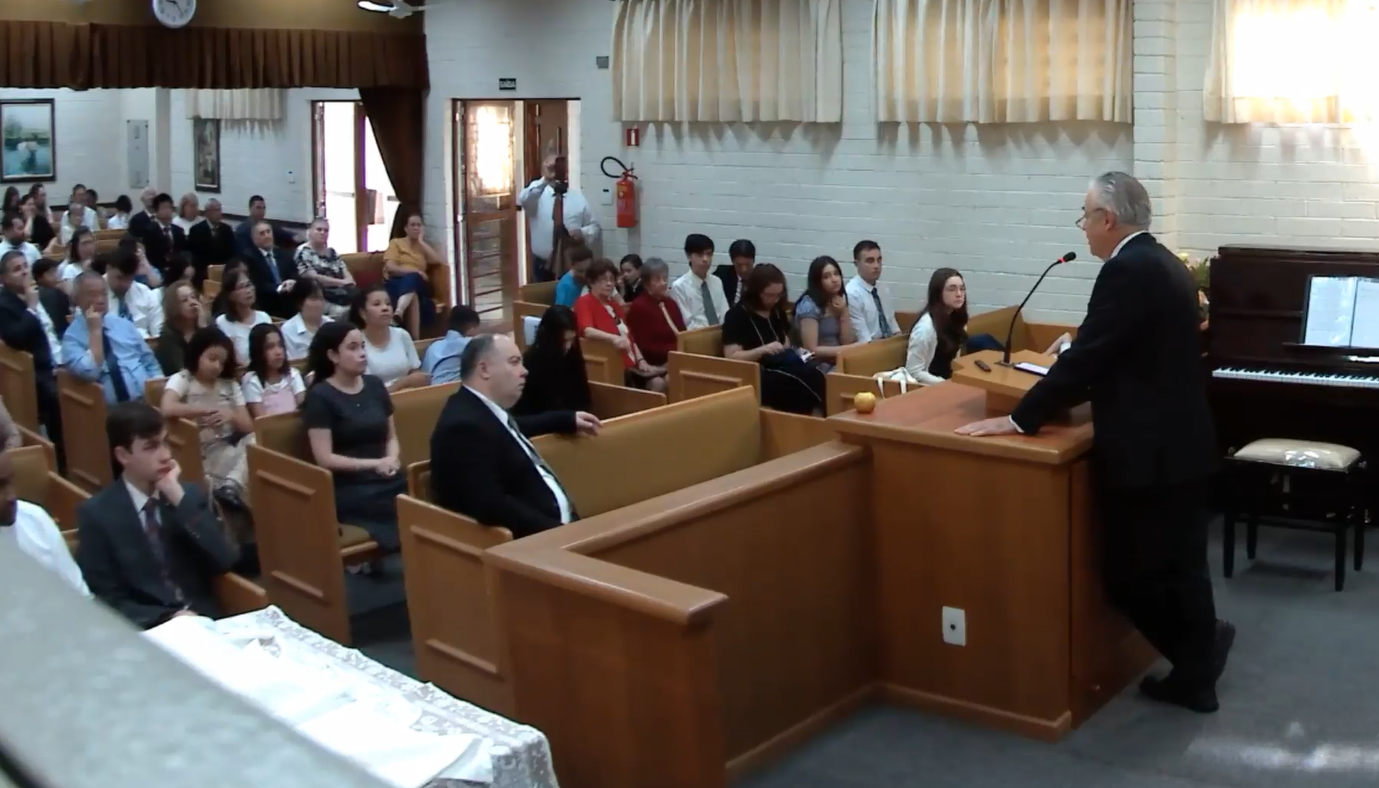
Last month I was in Brazil speding my summer vacation with my family, when I was there the Bishop ask me to give a speech in our church ward.

Article by Marcelo Gameiro
Published 14 Sep 2026